
National Walking Day is celebrated every year on the first Wednesday in the month of April across the world. It means that National Walking Day is …
National Walking Day 2024
National Walking Day is celebrated every year on the first Wednesday in the month of April across the world. It means that National Walking Day is …
National Walking Day 2024
I first recall chatting about Huntington’s Disease ((HD) when I was approaching my teenage years. Josie diagnosed with it was a beautiful lady inside and out. I was privileged to spend time with her, she was brutally honest and told me she loved my honesty in asking questions and not hiding fears, anxieties or any questions I had. She explained as the disease progressed her speech would deteriorate and most likely no-one would understand her talking despite the fact she would be able to hear and understand everything. The one eventuality she dreaded was being a prisoner in her own body. She laid her hand on mine, my heart beating so fast and loud, I could feel it thumping so hard and echoing in my ears. She asked “you will still talk to me”. I took her hand with my other and said, “of course I will”. That day by listening I learnt a lot physically and emotionally about this disease, that it is Rare, Genetic and Terminal: Huntington’s Disease.
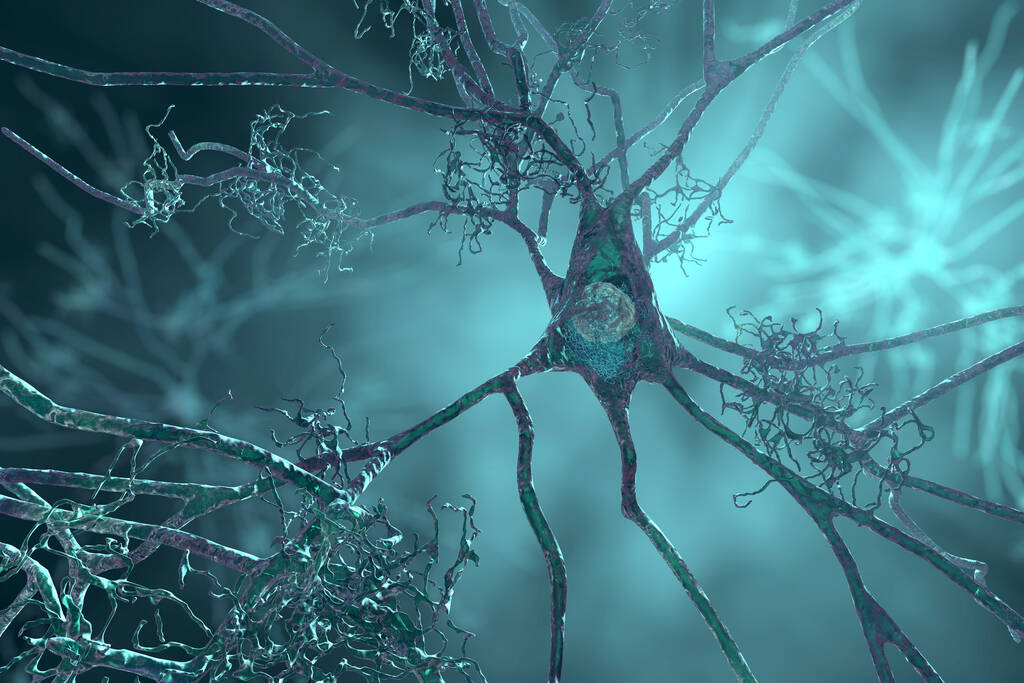
So what is Huntington’s Disease? It is a devastating rare hereditary disorder of the brain. The chances of getting diagnosed is 50% if you have a parent with the disease. It affects the nervous system of the body; the network of tissues in the brain and the spinal cord that coordinates your body’s activities. Everyone with Huntington’s through time will deteriorate physically, cognitively and emotionally. Till eventually they are fully dependent on the help of others, whether it is family, carers or nursing staff; or a mixture of all. Symptoms usually rear their ugly head between the age of 30 and 50 years of age, with symptoms getting worse over a period of 10 to 25 years until the person dies. Huntington’s affects between 1 and 10,000 and 1 in 20,000 people in the Uk. Unfortunately, as yet there is no cure and very little awareness.
Charities throughout the UK try their best to raise awareness, offer support those affected, etc. The Huntington’s Disease Alliance UK and Ireland ran a campaign in May 2023, HD awareness month. The campaign Family Matters. The Alliance consists of four independent charities throughout the UK and Ireland. The four charities all have the same goals and strive to help those affected by the disease, promote awareness and do their best to increase the understanding of UK wide of Huntington’s Disease. You can find a relevant organisation in your area:
@HDA_tweeting - England and Wales
@HDAAssocNI – Northern Ireland
Charities like these are important to get the message out there. Also to help those living with the illness, offer support, put you in the right direction in a time of need. The Scottish Huntington’s Association avidly campaigns for Huntington’s disease charities. Olympic medalist and double world champion rower, Sarah Winckless is patron. Huntington’s is in Sarah’s family on her Mum’s side. Sarah herself has tested positive for the gene.
Josie gave birth to four children before her HD diagnosis. As statistics go their family came out on the button. The first two children tested negative for the gene, child three and child four both tested positive. Despite receiving the news of having this cruel debilitating condition the siblings both had a glass half full attitude. That zest for life and wanting to live and enjoy each day as independently as they could for as long as they could. As time goes on life becomes a struggle; food becomes an enemy through the fear of choking, talking to strangers lessens from the embarrassment of not being understood. For many this can lead to isolation.
This disease changes the daily life of everyone that is affected with it. The person diagnosed is eventually trapped in their own body; forced to accept help from others, both physical and emotional. Even the fittest and most ambitious of us, as times goes by, our bodies get consumed by HD. Families and friends do their ultimate best to help care. However at times they feel the pressure and need reassurance; we need to remember they too are fighting their own battle. Living with Huntington’s Disease not only affects the person with the disease but those living around them. It can have a massive impact on those who live in the home. When symptoms start to worsen and physical symptoms begin to progress equipment invades the house. Yes it’s a fabulous help, but at the same time another tick of the box that the disease is progressing in the direction you were hoping would take a little longer.
Living with HD is not the same for everyone; for those affected severely with swallowing a tube feed is often fitted, some have involuntary movements, mood changes. Anxiety and depression are common with people affected with Huntington’s disease.
If you knew very little about HD I hope reading this short post has given you an insight and you have an idea of how this crippling disease not only takes over the body but haunts the minds of those affected.
I have rarely met a person with Huntington’s that has been a complainer in life. They have such a hard deck of cards to deal with in life and yet always seem to make the most of it.
So while you may have winged about being trapped in your four walls for a few weeks or even months due to Government restrictions during COVID, remember the people that are fighting a battle all the time.
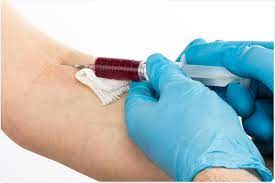
At last there is heartening news published in JAMA Neurology on Monday 22 January 2024 regarding the early diagnosis of this incurable disease Alzheimer’s. The research was led by Nicholas Ashton, PhD, a professor of neurochemistry at The University of Gothenburg in Sweden. The study found that the blood test was up to 96% accurate in identifying elevated levels of beta-amyloid (another hallmark of Alzheimer’s) and up to 97% accurate in identifying tau.
“This project – which is thanks to £5m in funding from players of People’s Postcode Lottery – will gather the information needed to introduce a blood test for dementia into UK healthcare systems. This blood test would be a crucial step in speeding up how quickly and how early we are able to diagnose dementia”
Dr Richard Oakley, Associate Director of Research and Innovation at Alzheimer’s Society
The current protocol for diagnosing Alzheimer’s is a PET Scan and lumbar puncture to detect signs of progression of the disease. Whilst both procedures are not life threatening they can be slightly invasive, take time and come at a cost in man power, machinery and monetary terms to the NHS.
Since Ashton’s study showed that the protein phosphorylated tau (p-tau2) is clearly accurate this could mean there will soon be a key biomarker blood test for early Alzheimer’s diagnosis. Offering an affordable and hopefully easier way to diagnose the disease.
This physical illness damages a person’s brain. Through time the Alzheimer’s disease causes dementia. As the disease progresses the person affected will rely on more support until one day becoming Almost totally dependent on others.
“This is an excellent study and brings us very close to a blood test for Alzheimer’s disease that can be used in daily practice.”
Prof Bart De Strooper, Professor of Alzheimer’s Disease research at UCL
The UK is a world class leader in cancer research, since 2001 all the hard work given by all at the National Cancer Research Institute (NCRI) has played a very large part in this. Numerous Clinical Trials and research have taken place and helped save the lives of those affected by cancer. The news of the charity winding down has came as a shock to many; patients and health professionals included. There will be many memories and stories to tell as the news hits of the Cancer Research Institute closure after 22 Years.
The charity grew over its 22-year lifespan, linked up with many partners including Blood Cancer UK, Breast Cancer Now, Prostate Cancer UK, Pancreatic Cancer UK, plus many more. Fabulous work has taken place including trials, research, specialist cancer groups, and networks. All for the greater good of those affected by cancer; working together scientists, researchers, patients, and funders to improve coordination of cancer research throughout the UK and beyond. Improving the lives of millions of people around the world.
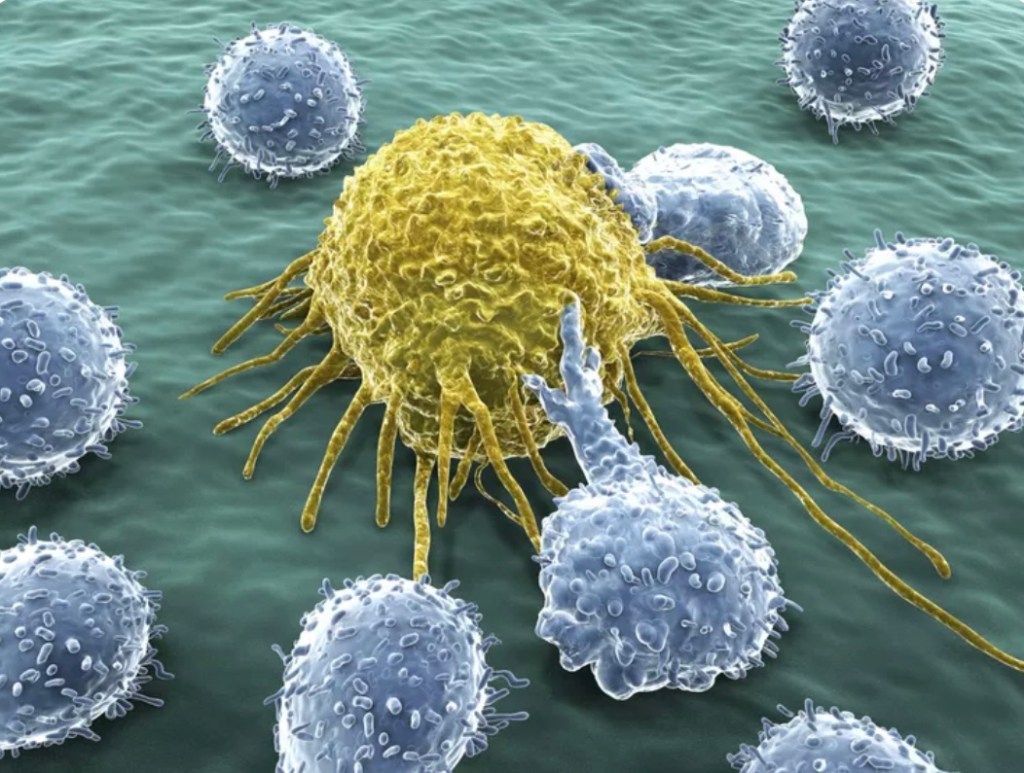
Almost 400 000 new cancer cases are diagnosed every year in the UK. Understanding the way to treat the cancer for the best possible outcome is the goal. The NCRI was a partnership providing an area where researchers and those affected by cancer (patients, carers, etc) where they could discuss ideas, talk about research and trials and most importantly improve and save lives.
Prof Lawrence Young, Professor of Molecular Oncology, University of Warwick, said: “This is shocking news that will significantly impact cancer research and the development of new treatments in the UK. This is yet another blow to the UK research community and to the position of the UK as a world leader in cancer research”.
The abrupt closure of the NCRI will be a huge void in cancer research. The charity well and truly made its mark, bringing the whole cancer research community together covering the whole UK and beyond. Working to improve the overall quality of life of anyone affected by cancer. Understand the cancers, develop the treatments, lessen the symptoms! For some prostate and breast cancers NCRI came into its own with trials, involving radiotherapy combination treatments resulting in treatment reduction from weeks to days.
There were so many trials and research projects that have helped and will still go on to help so many people. A study showing Children with kidney cancers continue to be diagnosed with larger and more advanced tumours in the UK and Ireland than in other Western European countries, according to research presented at the NCRI Festival
A study by Dr Jonathan Wadsley, a consultant clinical oncologist let us know Patients with low-risk thyroid cancer can receive lower doses of radiation treatment. Thyroid cancer is relatively rare with a diagnosis of 3500 people per year in the UK, there were 434 patients in the trial. Contributing to a good study.
Professor Robert Huddart, Professor of Urological Cancer at The Institute of Cancer Research, London, and Chair of the NCRI radiotherapy working group (formerly known as CTRad), was saddened to hear the upsetting news. He said:
“The UK has developed the reputation for the delivery of high quality, innovative academic trials that has changed practice and improved the outlook and lives of millions of people around the world. In radiotherapy examples include trials that have introduced advanced technology reducing side effects and improving outcomes, changed prostate and breast treatments from five weeks or more to a few days.”
Professor Nick James, Professor of Prostate and Bladder Cancer Research at The Institute of Cancer Research, London, commented: “This news is astonishing. It could be devastating for people with cancer in this country.”
As a charity partner, Deputy Director of Research Blood Cancer UK, Sarah McDonald comments on the need for the need for clinical trials. Stating they are the route for those living with blood cancer to access treatment.
Sarah commented “It’s sad this long-standing multi-partner collaboration will be winding down. The partnership has had success, helping thousands of people get access to new potentially life-saving treatments” “NCRI has played an important role at Blood Cancer UK. We’re deeply committed to continue collaborating with researchers, patients, charities, and government to ensure the hard work of the NCRI isn’t lost.”
The NCRI have made this decision after much thought and debate. The uncertain economic and research environment has had an impact on the charity; After consulting with stakeholders, it was questionable that NCRI would be able to survive in the long term. Therefore, proving a risk of operational failure. Hence the decision to close.
Fiona Driscoll NCRI Chair stated: “It is with a mix of pride and regret that we write to inform you that, after 22 remarkable years, the NCRI will be winding down. This decision has not been taken lightly and has huge impact on the NCRI staff. We are grateful for their continued support, hard work, and professionalism at such a challenging time.”
This is dark day, especially for anyone affected by cancer. A massive blow for research and clinical trials. Remembering the extremely hard work that has taken place, passing on information is vital so the wonderful work of the NCRI is carried on.
 EJY Medical Writing