Getting a diagnosis of cancer at any time can feel overwhelming and isolating. The type of disease, the treatment ahead, and the prognosis all shape how a person processes the news and copes with what comes next. When hairdresser Denise in the BBC soap EastEnders was told she had acute myeloid leukaemia (AML), she immediately struggled to absorb the reality of it. She had quietly sought medical advice for persistent exhaustion, keeping her concerns from her family, and even left a joyful wedding celebration to attend the appointment. Sitting alone in the consultation room, she heard the doctor explain that she had blood cancer. She outlined the realities of living with AML, the significant challenges of the diagnosis, and the rarity and aggressive nature of the disease. As the words settled, Denise was left trying to make sense of a life‑changing moment that no one around her even knew was happening.
The Realities of living with AML
Heading back to her family and friends. None of whom knew where she had been or what the appointment had revealed. She travelled home on the bus in a state of quiet disorientation. The conversation with the clinician replayed in fragments, each phrase surfacing and fading as her mind tried to process the information. Everyday sounds and movements around her felt distant, almost muted, as if she were observing the world from behind glass. The journey became a space where shock, uncertainty, and the first attempts at understanding coexisted. Many people who have received unexpected or life‑altering news will recognise this moment: the return to normal surroundings while carrying something profoundly new and difficult to articulate.
What is AML?
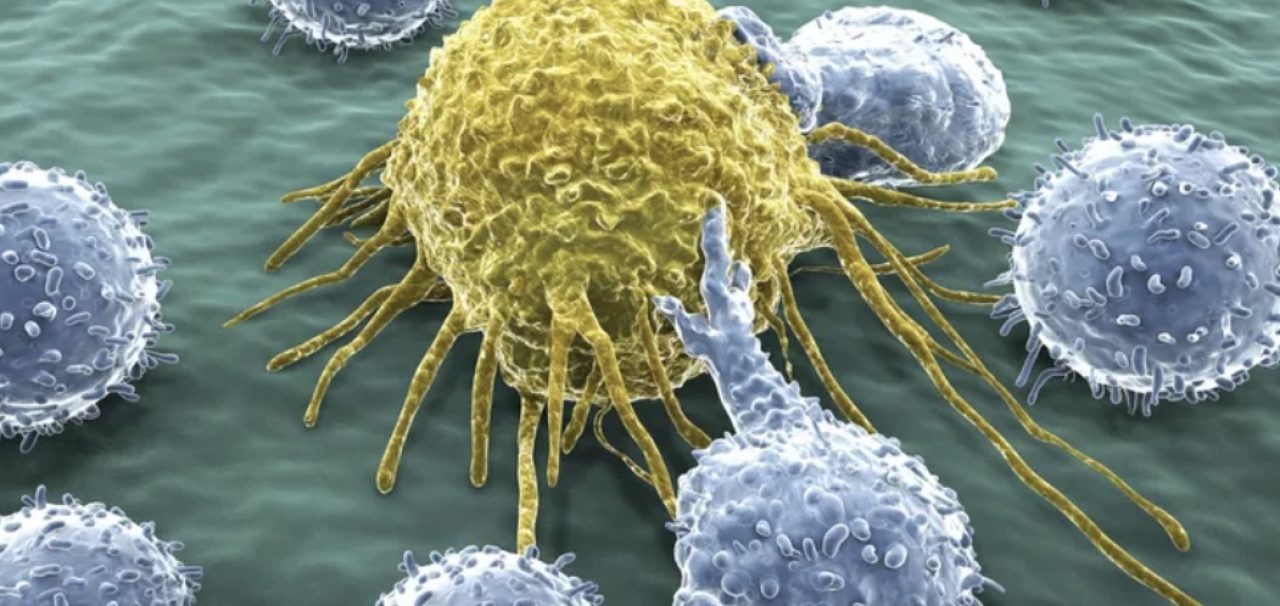
Acute myeloid leukaemia (AML) is a cancer of the blood cells. On hearing those words for the first time can feel deeply unsettling. In AML, the body begins to produce abnormal blood cells that don’t behave as they should, disrupting the balance the body relies on to stay well. Because it develops quickly, treatment usually needs to begin soon after diagnosis, leaving little time for individuals to process what is happening.
Although AML can occur at any age, it remains a rare condition. Around 3,100 people in the UK are diagnosed each year, with the highest number of cases seen in older people. For many, the rarity of the disease adds another layer of uncertainty. It is not something most people expect to face or know much about. Coming to terms with the diagnosis often involves navigating both the medical realities and the emotional weight of suddenly stepping into unfamiliar territory.


Symptoms of AML
🩶 Pale or “washed‑out” skin
😓 Persistent tiredness
🌬️ Breathlessness during normal activities
⚖️ Unintentional weight loss
🦠 Frequent or recurring infections
🌡️ High temperature or episodes of feeling hot, cold or shivery
😰 Night sweats
🩸 Unusual or frequent bleeding (gums or nosebleeds)
💜 Easily bruised skin
🔴 Flat red or purple spots on the skin (petechiae)
🦴 Bone or joint pain
🍽️ A feeling of fullness or discomfort in the tummy
🧬 Swollen glands in the neck, armpit or groin (may be tender)
Getting a diagnosis of AML
First,
🩺 GP physical examination Initial assessment when physical signs or symptoms appear.
then go on to get
🧪 Blood tests Full blood count and specialist blood markers to identify abnormal cells.
🦴 Bone marrow biopsy A sample taken from the hip bone to confirm AML and assess cell types.
🧬 Genetic testing Identifies specific gene mutations that guide treatment decisions.
📸 Chest X‑ray Checks for infection or complications affecting the lungs.
and finally
💉 Lumbar puncture Used in selected cases to check if leukaemia cells have entered the central nervous system.

Treatment Plan for AML
Treatment for acute myeloid leukaemia (AML) is usually delivered in two main stages. Each with a clear purpose and a very different emotional and physical experience for the person going through it.
- 🧪 Induction therapy This is the first and most intensive stage of treatment. The aim is to destroy as many leukaemia cells as possible in both the blood and bone marrow. As well as managing any symptoms caused by the disease. It can feel overwhelming, as treatment often begins quickly after diagnosis. However, it is a crucial step in bringing the leukaemia under control.
- 🧬 Consolidation therapy Once induction has reduced the number of leukaemia cells, the second therapy starts. Consolidation aims to prevent the cancer from returning. This stage focuses on eliminating any remaining cells that cannot be seen on tests but could cause relapse in the future. It is a vital part of achieving long‑term remission.
Coming to terms with an AML diagnosis is never straightforward. The treatments are demanding, the uncertainty is heavy, and life can feel profoundly altered for the person affected and everyone close to them. The reality of navigating such a life‑changing condition is harsh and often overwhelming. By bringing this storyline to screen, the BBC helps raise awareness and shines a light on the significant challenges people face when confronted with a diagnosis like this. Challenges that are too often hidden from view, highlighting the realities of living with AML.
Inferior Outcomes
In EastEnders, Denise’s experience carries an added layer of fear and uncertainty because she is a woman of colour. Research has shown that Black patients with AML often have poorer survival outcomes than White patients. A reality that many people are unaware of until they are faced with it themselves. At her appointment, Denise voiced the question that so many Black patients quietly carry: does the colour of my skin make a difference to how I will fare?
It was a moment filled with deep vulnerability. Not only because of the diagnosis itself, but because Denise was confronting the painful reality that health inequalities still exist. For many people of colour, a cancer diagnosis carries an added weight: the knowledge that outcomes are not always equal, and that lived experience and systemic disparities can shape fears in ways others may never have to consider. By allowing this conversation to unfold on screen, the BBC brings an important truth into the open and that for some communities, illness is not just a medical journey but an emotional one shaped by history, inequality, and the need to be heard. Acknowledging this openly helps shine a light on an issue that deserves far greater understanding and attention.
A paper showing inferior outcomes can be read in ScienceDirect


