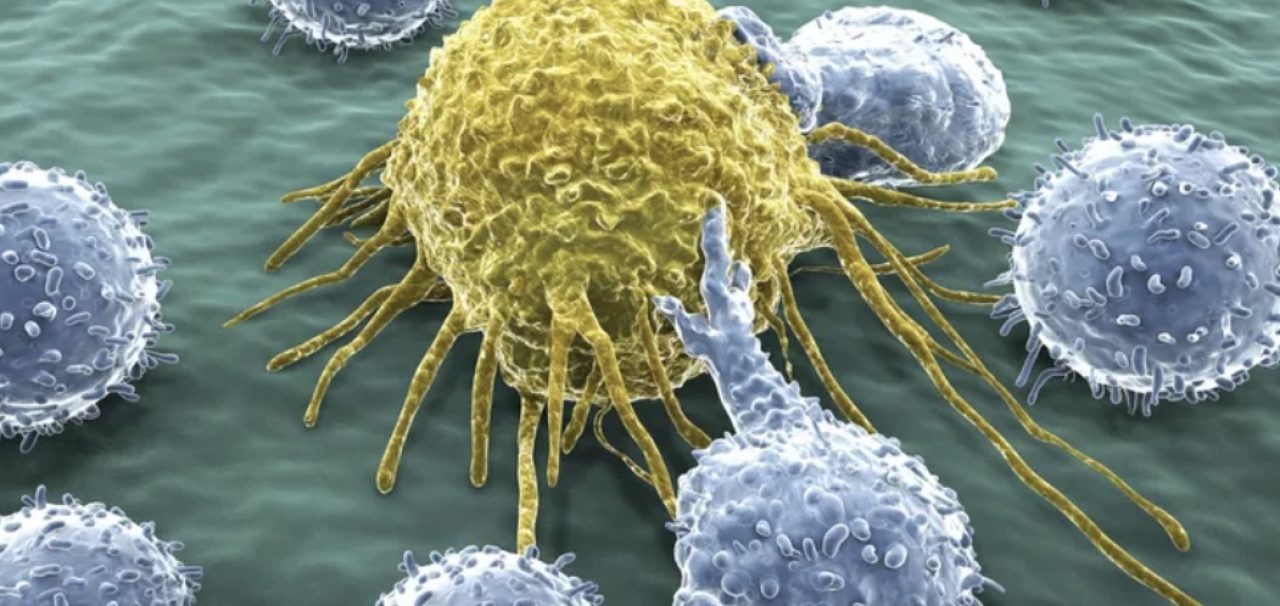
With 10 million people dying every year cancer is the second leading cause of death worldwide. Female breast, lung, prostate and colorectal are the most common cancers globally. According to The World Health Organisation in 2022 there were over 22 million new cancer cases worldwide with 9.7 million deaths. 70% of these deaths happen in low to middle income countries. World Cancer Day is 4th February, the theme for 2024 is close the care gap. The first World Cancer Day was in 2000 and has been led by The Union for International Cancer Control (UICC) every year since. The UICC believe that access to life-saving cancer diagnosis treatment and care should be equitable for all; regardless of where a person lives, how much they earn, whatever their ethnicity or gender.
Risk Factors
Over 40% of cancer related deaths could have possibly been prevented. These deaths are associated to modifiable risk factors such as alcohol consumption, lack of physical exercise, smoking, and poor diet.
Prevention
One third of deaths related to cancer can be prevented through people attending Cancer routine screening programs such as breast screening, cervical, and bowl, and finding cancer early and treating it quickly and effectively.
Impact of World Cancer Day 2023
In 170 different countries there were over 25,000 press articles
Over 850 events took place in 102 countries
There were over 430,000 Social Media Posts
Over 60 Governments actively took part
February 4th is a day like any other, however this Sunday in 2024 it is World Cancer Day an international day raising awareness of cancer and encouraging prevention, detection and treatment. Happy World Cancer Day.
The UK is a world class leader in cancer research, since 2001 all the hard work given by all at the National Cancer Research Institute (NCRI) has played a very large part in this. Numerous Clinical Trials and research have taken place and helped save the lives of those affected by cancer. The news of the charity winding down has came as a shock to many; patients and health professionals included. There will be many memories and stories to tell as the news hits of the Cancer Research Institute closure after 22 Years.
The charity grew over its 22-year lifespan, linked up with many partners including Blood Cancer UK,Breast Cancer Now, Prostate Cancer UK,Pancreatic Cancer UK, plus many more. Fabulous work has taken place including trials, research, specialist cancer groups, and networks. All for the greater good of those affected by cancer; working together scientists, researchers, patients, and funders to improve coordination of cancer research throughout the UK and beyond. Improving the lives of millions of people around the world.
Almost 400 000 new cancer cases are diagnosed every year in the UK. Understanding the way to treat the cancer for the best possible outcome is the goal. The NCRI was a partnership providing an area where researchers and those affected by cancer (patients, carers, etc) where they could discuss ideas, talk about research and trials and most importantly improve and save lives.
Prof Lawrence Young, Professor of Molecular Oncology, University of Warwick, said: “This is shocking news that will significantly impact cancer research and the development of new treatments in the UK. This is yet another blow to the UK research community and to the position of the UK as a world leader in cancer research”.
NCRI at its best
The abrupt closure of the NCRI will be a huge void in cancer research. The charity well and truly made its mark, bringing the whole cancer research community together covering the whole UK and beyond. Working to improve the overall quality of life of anyone affected by cancer. Understand the cancers, develop the treatments, lessen the symptoms! For some prostate and breast cancers NCRI came into its own with trials, involving radiotherapy combination treatments resulting in treatment reduction from weeks to days.
There were so many trials and research projects that have helped and will still go on to help so many people. A study showing Children with kidney cancers continue to be diagnosed with larger and more advanced tumours in the UK and Ireland than in other Western European countries, according to research presented at the NCRI Festival
A study by Dr Jonathan Wadsley, a consultant clinical oncologist let us know Patients with low-risk thyroid cancer can receive lower doses of radiation treatment. Thyroid cancer is relatively rare with a diagnosis of 3500 people per year in the UK, there were 434 patients in the trial. Contributing to a good study.
Professor Robert Huddart, Professor of Urological Cancer at The Institute of Cancer Research, London, and Chair of the NCRI radiotherapy working group (formerly known as CTRad), was saddened to hear the upsetting news. He said:
“The UK has developed the reputation for the delivery of high quality, innovative academic trials that has changed practice and improved the outlook and lives of millions of people around the world. In radiotherapy examples include trials that have introduced advanced technology reducing side effects and improving outcomes, changed prostate and breast treatments from five weeks or more to a few days.”
Professor Nick James, Professor of Prostate and Bladder Cancer Research at The Institute of Cancer Research, London, commented: “This news is astonishing. It could be devastating for people with cancer in this country.”
As a charity partner, Deputy Director of Research Blood Cancer UK, Sarah McDonald comments on the need for the need for clinical trials. Stating they are the route for those living with blood cancer to access treatment.
Sarah commented “It’s sad this long-standing multi-partner collaboration will be winding down. The partnership has had success, helping thousands of people get access to new potentially life-saving treatments” “NCRI has played an important role at Blood Cancer UK. We’re deeply committed to continue collaborating with researchers, patients, charities, and government to ensure the hard work of the NCRI isn’t lost.”
The NCRI have made this decision after much thought and debate. The uncertain economic and research environment has had an impact on the charity; After consulting with stakeholders, it was questionable that NCRI would be able to survive in the long term. Therefore, proving a risk of operational failure. Hence the decision to close.
Fiona Driscoll NCRI Chair stated: “It is with a mix of pride and regret that we write to inform you that, after 22 remarkable years, the NCRI will be winding down. This decision has not been taken lightly and has huge impact on the NCRI staff. We are grateful for their continued support, hard work, and professionalism at such a challenging time.”
This is dark day, especially for anyone affected by cancer. A massive blow for research and clinical trials. Remembering the extremely hard work that has taken place, passing on information is vital so the wonderful work of the NCRI is carried on.